
News and info
The origin of singing bowls
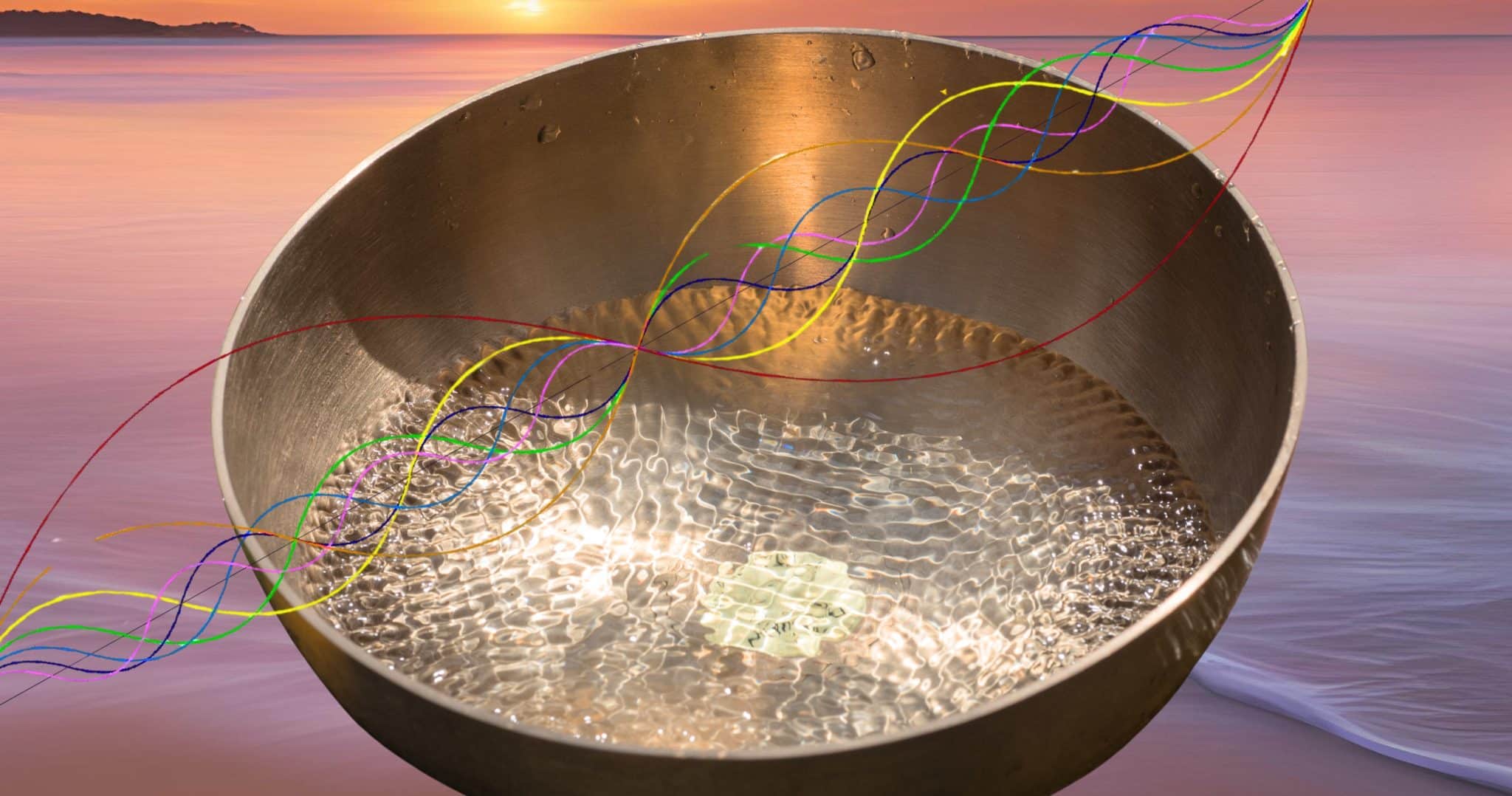

The singing bowl is an instrument that can be traced back to Asia around 2000 BC. Originally, they were used both as ritual instruments and meditation in Buddhist and shamanistic traditions.
Singing bowls are often associated with the Himalayas and Tibet and were especially discovered in the Western world during the Tibetan exodus from Tibet in 1959 – and in the years since. Tibetans often took singing bowls and other valuables with them. That’s why singing bowls are often known as Tibetan singing bowls or Himalayan singing bowls.
Tibetan singing bowls are often produced by the Nepalese, who have a long tradition of more than a thousand years of producing singing bowls, bells and bronze figurines. The oldest bowl found in Nepal in recent times is approximately 600 years old. In addition to Nepal, singing bowls have been found in Japan, China, Korea and Vietnam from the same period.
The first singing bowls can be traced back to the Middle East in ancient Mesopotamia, also known as the land between the two rivers (Euphrates and Tigris), the land we know today as Iraq. Mesopotamia was a highly developed kingdom in ancient times and was among the first to use metals. One of the oldest copper sculptures can be traced back about 5000 years.
You can read much more about singing bowls in the basic book (physical) here
and the English basic book (e-book) here


